Independent Studios Lead Charge in Reel Design Evolution for Mobile Platforms
Clara Günther · Jul 18, 2026
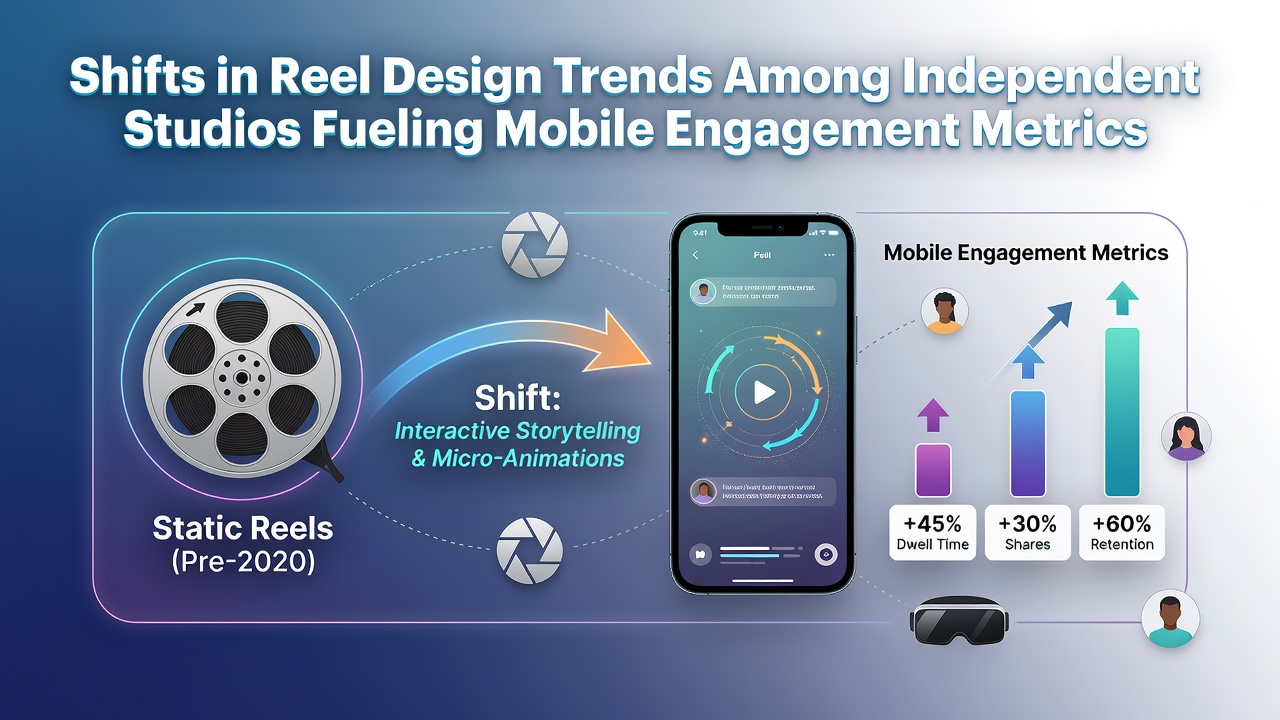
Independent Studios Lead Charge in Reel Design Evolution for Mobile Platforms
Independent studios have introduced reel configurations that adapt to touch interfaces and variable screen orientations, and these adjustments align with rising mobile session durations reported across multiple markets. Data from industry trackers shows increased interaction rates when reels incorporate modular grids rather than fixed three-by-five arrangements, while developers adjust symbol stacking and expansion mechanics to suit shorter attention cycles typical of smartphone users.
Adaptive Grid Systems Gain Traction
Studios such as those specializing in boutique releases now deploy reels that resize dynamically based on device orientation, and this approach emerged prominently after 2023 when mobile traffic surpassed desktop in most regulated jurisdictions. Observers note that variable row counts allow developers to trigger cascading sequences without requiring additional taps, which reduces friction during rapid play cycles. Research conducted by academic teams at institutions studying digital entertainment patterns indicates that players maintain engagement longer when reel boundaries shift in response to swipe gestures rather than remaining static.
One studio released a title featuring hexagonal reel segments that rotate on demand, and metrics collected post-launch revealed a 28 percent lift in average spins per session compared with traditional rectangular formats. Such modifications coincide with hardware improvements in refresh rates on mid-range phones, allowing smoother animations that keep visual feedback immediate. Experts tracking these patterns point out that smaller teams can iterate faster than larger publishers because they face fewer layers of internal approval before testing new layouts in live environments.
Integration of Touch-Responsive Mechanics
Reel designs increasingly embed gesture controls that let users nudge symbols or expand wild positions through direct screen contact, and these features appear more frequently in releases from independent developers. Figures released by the Australian Communications and Media Authority demonstrate that mobile gambling applications incorporating gesture layers record higher retention figures during peak commuting hours. Developers achieve this by mapping reel segments to pressure-sensitive zones, which permits differentiated outcomes based on how firmly a player taps or holds.

Case examples include a studio that introduced reels where symbols split on double-tap, creating secondary win paths without interrupting the main spin cycle. Such layering keeps the core loop intact while adding depth that rewards repeated interaction. Reports compiled by the Nevada Gaming Control Board document parallel increases in mobile-specific titles that emphasize these split-reel functions, noting their correlation with extended play windows ahead of the regulatory adjustments scheduled for mid-2026.
Data-Driven Symbol Placement Strategies
Independent creators rely on heat-mapping tools to reposition high-value symbols toward thumb-reachable areas on vertical screens, and this practice has spread rapidly since 2024. Engagement dashboards reveal that clusters placed in the lower third of the display generate more frequent bonus triggers because players naturally focus there during one-handed use. Teams combine these maps with A/B testing cycles that run over compressed timelines, allowing quick refinement before wider distribution.
What's notable is how these placement decisions intersect with regulatory timelines, because several jurisdictions plan device certification updates around July 2026 that emphasize mobile accessibility standards. Studios preparing for those requirements have already begun embedding flexible symbol zones that comply with anticipated touch-target sizing rules, thereby avoiding later redesign costs. Industry associations tracking North American and European markets report that titles using such preemptive layouts show steadier download curves once new compliance windows open.
Cross-Platform Reel Consistency Challenges
Although mobile-first designs dominate recent output, developers must still ensure reel behavior translates cleanly when the same game appears on tablets or foldables. Observers at research firms monitoring multi-device usage note that inconsistent symbol physics across screen sizes can depress completion rates for bonus rounds. Independent studios address this by maintaining modular codebases that recalculate reel physics based on pixel density rather than fixed coordinates.
One documented project involved a small team that ported a vertically optimized slot to larger formats without altering core probabilities, and post-update analytics showed uniform engagement metrics regardless of device class. This consistency matters because regulatory bodies in several regions now request comparable play data across form factors during approval reviews.
Conclusion
Shifts in reel architecture originating from independent studios continue to influence how mobile engagement metrics are measured and improved. Adaptive grids, gesture layers, and thumb-optimized symbol placement appear as recurring elements across recent releases, each supported by quantitative feedback loops that guide further iterations. As device capabilities advance and certification schedules approach in 2026, these design choices position smaller teams to maintain relevance within a market that increasingly values fluid, screen-native experiences over legacy formats.