Layered Mechanics in Motion: Crafting Bonus Systems for Mobile Progressive Jackpots
Clara Günther · Jun 16, 2026
Layered Mechanics in Motion: Crafting Bonus Systems for Mobile Progressive Jackpots
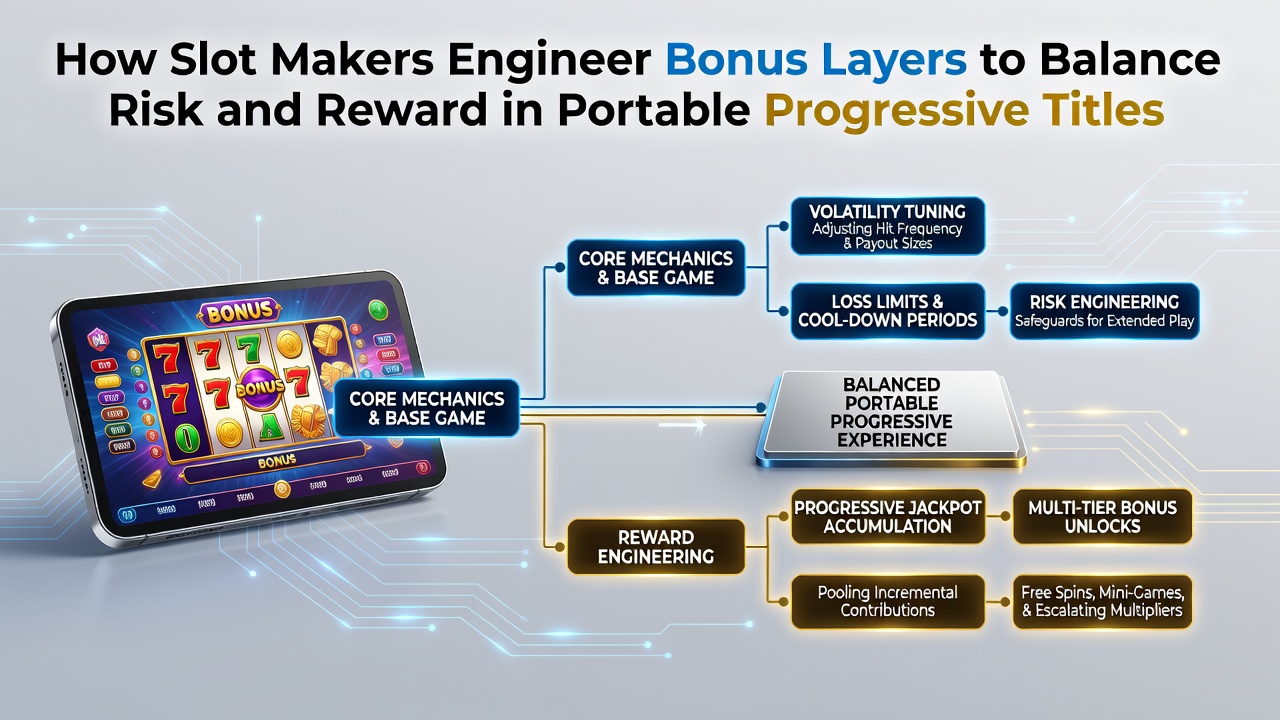
Slot developers approach portable progressive titles by building bonus layers that adjust payout probabilities across different game states while maintaining the core random number generator integrity. These layers sit on top of base game mechanics and activate through specific symbol combinations or meter thresholds that trigger escalating reward structures without altering the fundamental house edge.
Core Components of Bonus Layer Design
Engineers segment bonus features into distinct tiers where each level modifies volatility through added multipliers, extra free spins, or jackpot qualifiers. Data from testing laboratories shows that progressive contributions typically allocate between 1% and 3% of each wager to the growing prize pool while the remaining mathematical model distributes returns across base game hits and layered bonuses. Developers calibrate these percentages against player session data to ensure the progressive element grows at a rate that sustains interest without creating unrealistic expectations for frequent large payouts.
One team at a major studio recently adjusted a five-tier bonus structure after simulator runs revealed that the top layer activated too infrequently on smaller screens. They introduced an intermediate accumulation mechanic that carries partial progress between sessions on mobile devices, allowing the system to balance short-term engagement with long-term jackpot odds.
Balancing Risk Through Progressive Thresholds
Portable progressives require careful calibration because screen size and touch interfaces influence how players perceive reward frequency. Developers insert safeguard parameters that cap bonus layer multipliers at predefined ceilings, preventing runaway variance that could destabilize the overall return-to-player percentage. According to reports from Nevada Gaming Control Board technical reviews, such caps maintain game integrity across jurisdictions while still permitting substantial jackpot growth.
Engineers also embed decay functions within certain bonus layers so that unused progress diminishes gradually. This prevents indefinite accumulation that might skew risk calculations, and it encourages continued play without forcing outcomes. The approach appears in multiple titles where free spin meters reset partially after periods of inactivity yet retain enough value to maintain player momentum.
Technical Implementation in Mobile Environments
Programming teams integrate server-side tracking with client-side rendering to deliver consistent bonus layer behavior across iOS and Android platforms. Cloud-based random number generators handle the progressive seed while local processing manages visual feedback for immediate touch responses. This separation keeps the integrity of the mathematical model intact even when network conditions fluctuate.
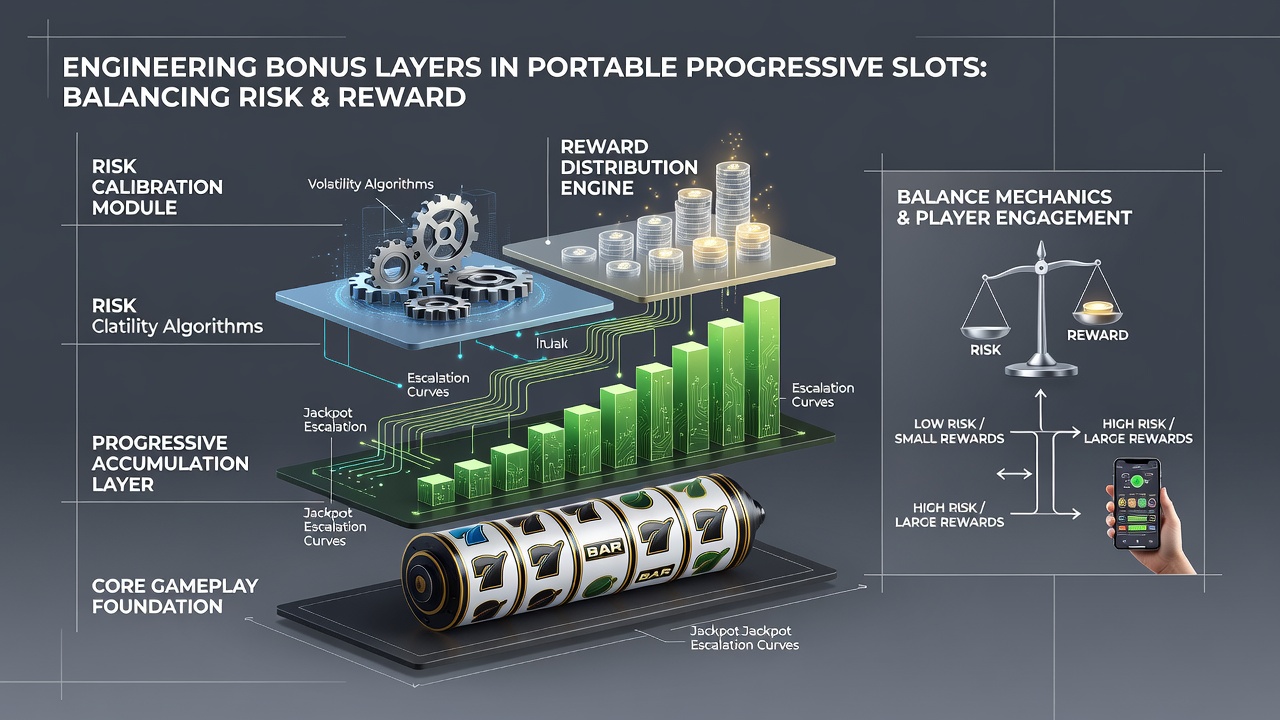
Researchers at Gaming Laboratories International have documented how layered bonus systems undergo thousands of simulation cycles before certification. Each cycle tests combinations of base game outcomes with every possible bonus tier activation to verify that the aggregate return stays within regulatory tolerances. The process identifies edge cases where overlapping layers might produce unexpected payout clusters, prompting adjustments to trigger probabilities or reward scaling.
Case Examples of Layer Calibration
One studio introduced a portable progressive title where the first bonus layer added wild symbols during free spins while the second layer unlocked a separate jackpot wheel. Internal logs indicated that players reached the second layer at rates that aligned with target volatility metrics, yet the third layer required an additional random qualifier to prevent excessive clustering of high-value outcomes. The design kept the top progressive prize growing steadily while distributing smaller rewards through earlier tiers.
Another project incorporated a risk-reward toggle within the bonus structure itself. Players could choose between a conservative path that guaranteed additional spins or an aggressive path that multiplied the progressive contribution but introduced higher variance. Simulator data confirmed that both options preserved the overall expected return across large sample sizes, giving users agency without compromising the underlying mathematics.
Regulatory and Certification Considerations
Certification bodies require transparent documentation of every bonus layer parameter, including trigger conditions, multiplier ranges, and progressive allocation percentages. Updates to mobile titles after initial approval must undergo re-testing when changes affect bonus layer behavior. Observers note that this documentation process encourages developers to maintain clear separation between visual presentation and core probability engines.
Conclusion
Slot makers continue refining bonus layer architectures for portable progressive titles through iterative testing and data analysis that aligns player engagement patterns with mathematical stability. The resulting systems deliver escalating rewards while preserving regulatory compliance and consistent performance across devices. As mobile platforms evolve, these engineering practices adapt to new hardware capabilities without altering the fundamental balance between risk exposure and reward distribution.