Studio Strategies for Embedding High-Return Slot Mechanics Across Multiple Platforms
Taylor Perry · Jun 23, 2026

Studio Strategies for Embedding High-Return Slot Mechanics Across Multiple Platforms
Slot studios develop structured playbooks that guide the integration of high-return mechanics into releases spanning mobile, desktop, and emerging device formats, and these frameworks rely on data from player behavior studies along with technical compatibility testing. Research from the University of Nevada Reno Gaming Research Center shows that studios achieve return-to-player rates between 96 and 98 percent by layering bonus features such as cascading reels and multiplier stacks while maintaining consistent performance across operating systems.
Core Components of High-Return Mechanics
High-return mechanics include progressive jackpot pools, stacked wild symbols, and free-spin sequences that increase payout frequency without altering the base game volatility. Developers map these elements during pre-production phases so each feature scales correctly on smaller touchscreens and larger desktop displays. Observers note that successful implementations connect player engagement metrics with real-time adjustments to reel speeds and animation loads, which keeps the experience uniform regardless of platform.
Technical Playbooks for Cross-Platform Deployment
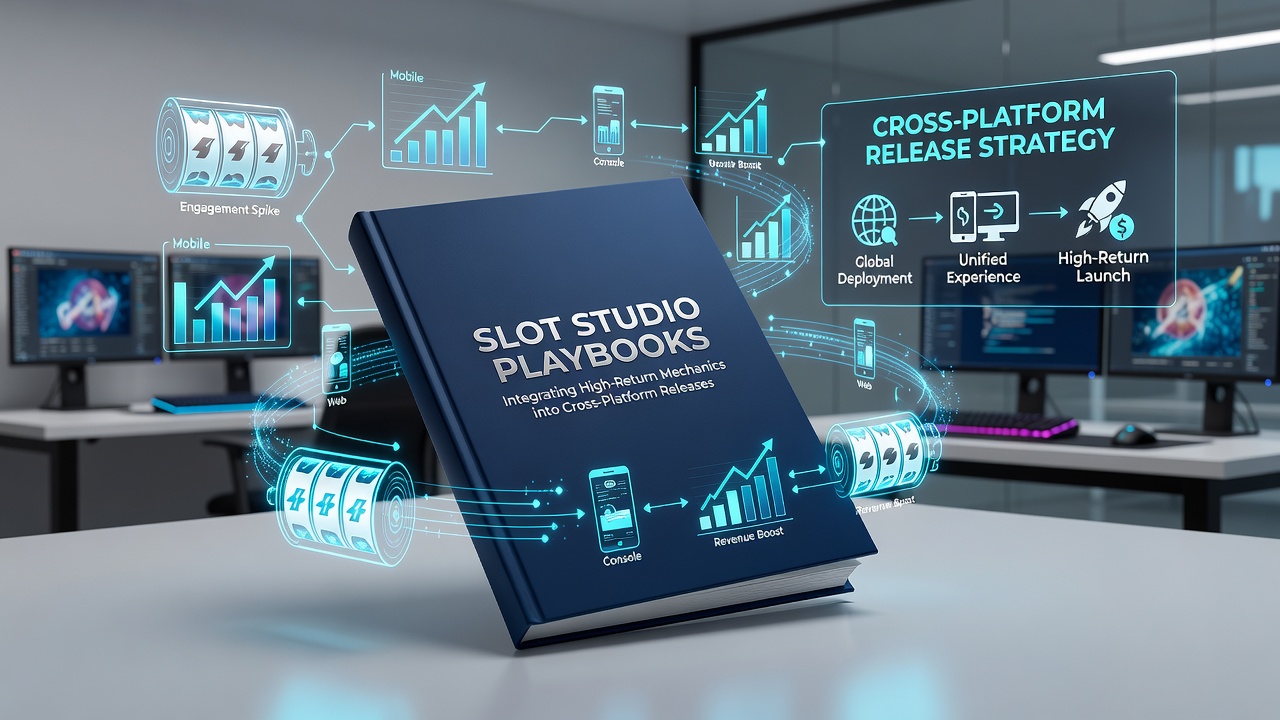
Studios follow modular coding practices that separate core game logic from platform-specific rendering engines, and this separation allows the same random number generator and payout tables to operate identically on iOS, Android, and browser-based systems. Data from industry reports indicate that teams using unified engines reduce testing cycles by up to 30 percent compared with fragmented development approaches. Engineers run parallel simulations that verify jackpot triggers and bonus round outcomes remain stable when screen resolution changes or network latency fluctuates.
Playbooks also address regulatory alignment across jurisdictions, and teams reference guidelines from bodies such as the Nevada Gaming Control Board to confirm that high-return features comply with local testing standards before launch. Integration schedules typically allocate dedicated sprints for mobile optimization after desktop builds reach stable versions, which prevents performance gaps that could affect player retention.
Implementation Timelines and June 2026 Milestones
Many studios align major cross-platform releases with mid-year industry events, and preparations for gatherings scheduled in June 2026 have prompted updates to existing playbooks that incorporate new hardware acceleration standards for next-generation mobile chipsets. These adjustments focus on maintaining frame rates above 60 frames per second during complex bonus animations while preserving the mathematical integrity of high-return features. Teams document each change in shared repositories so subsequent updates carry forward verified configurations rather than rebuilding from scratch.
Case Examples from Established Providers
One European studio applied its playbook to a title that migrated a progressive jackpot system from desktop to mobile within a single quarter, and the project recorded identical hit frequencies across both versions according to internal telemetry logs. Another provider in North America used layered testing protocols to embed multiplier mechanics that activate during free-spin rounds, and external audits confirmed the return-to-player percentage stayed within a 0.2 percent variance after deployment. These examples illustrate how documented workflows turn complex integrations into repeatable processes that scale across multiple titles.
Quality Assurance and Performance Metrics
Quality assurance phases incorporate automated scripts that simulate thousands of spins on each target device while logging discrepancies in payout distribution or animation timing. Figures from academic papers on digital gaming systems reveal that studios employing machine-learning models to predict device-specific bottlenecks shorten final certification periods by several weeks. Metrics tracked include load times under 3 seconds, touch-response latency below 50 milliseconds, and jackpot contribution rates that match desktop baselines within statistical margins of error.
Collaboration between mathematics teams and user-interface designers ensures that visual feedback for high-return events remains clear on every screen size, and this coordination prevents situations where smaller displays obscure important bonus indicators. Playbooks therefore include checklists that verify symbol clarity, sound synchronization, and accessibility options before any release candidate advances to public servers.
Conclusion
Slot studio playbooks provide systematic approaches that embed high-return mechanics into cross-platform releases through modular architecture, rigorous testing, and regulatory checkpoints. These methods support consistent player experiences while accommodating hardware differences and upcoming industry timelines such as those surrounding June 2026 events. Continued refinement of these frameworks allows providers to deliver mechanically robust titles that operate reliably across current and future devices.