Symbol Evolution in Video Slots: Tracing Interactions That Define Payout Structures
Viktor Berger · Jul 21, 2026
Symbol Evolution in Video Slots: Tracing Interactions That Define Payout Structures
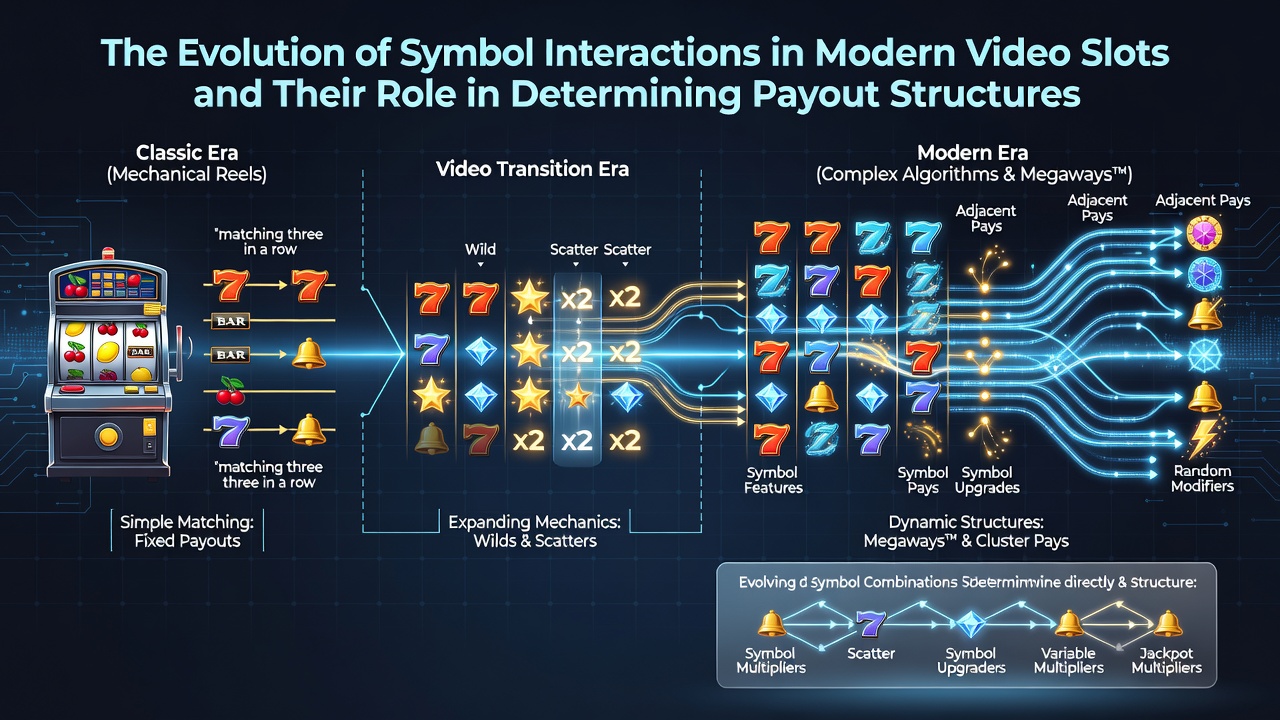
Video slots have moved far beyond the fixed three-reel setups of the past, and observers note that symbol interactions now sit at the core of how payouts get calculated across modern games. Researchers have tracked these changes through decades of design shifts, where basic fruit symbols gave way to layered mechanics involving wilds, scatters, multipliers, and dynamic clusters that alter win conditions in real time.
From Static Reels to Dynamic Symbol Systems
Early mechanical slots relied on fixed paylines and unchanging symbol positions, yet the introduction of video technology in the 1970s and 1980s opened pathways for symbols to interact in new sequences. Data from industry archives shows that by the mid-1990s, developers began experimenting with wild symbols that substitute for others, and this single change immediately expanded payout possibilities without altering the underlying reel mathematics. Studies from gaming laboratories reveal that these substitutions increased average hit frequency while allowing designers to fine-tune return-to-player percentages through controlled symbol weighting.
Cluster pays and ways-to-win formats emerged in the early 2000s, replacing traditional lines with adjacent symbol groupings. Observers have documented how games like those using Megaways mechanics, introduced around 2016, generate up to 117,649 potential outcomes per spin by varying reel heights, and each configuration depends entirely on how symbols land and connect across cascades or tumbles. Research indicates these systems recalculate wins after every symbol drop, creating chained interactions that directly influence both volatility and overall payout distribution.
Modern Interactions and Their Direct Impact on Payout Formulas
Contemporary slots incorporate expanding wilds, sticky symbols, and multiplier trails that modify base game mathematics during play. Those who've examined certification reports from Gaming Laboratories International note that each new interaction layer requires fresh probability modeling because a single expanding symbol can convert multiple positions into winning combinations simultaneously. This alters the expected value calculations that determine both short-term hit rates and long-term RTP figures.
Multipliers attached to specific symbols or triggered by consecutive cascades further refine payout structures by scaling wins according to predefined rules. Figures from regulatory testing bodies across multiple jurisdictions demonstrate that multiplier interactions can shift a game's volatility index significantly, even when the base symbol distribution remains unchanged. Developers therefore adjust reel strips and symbol frequencies to maintain target payout percentages while introducing these features.
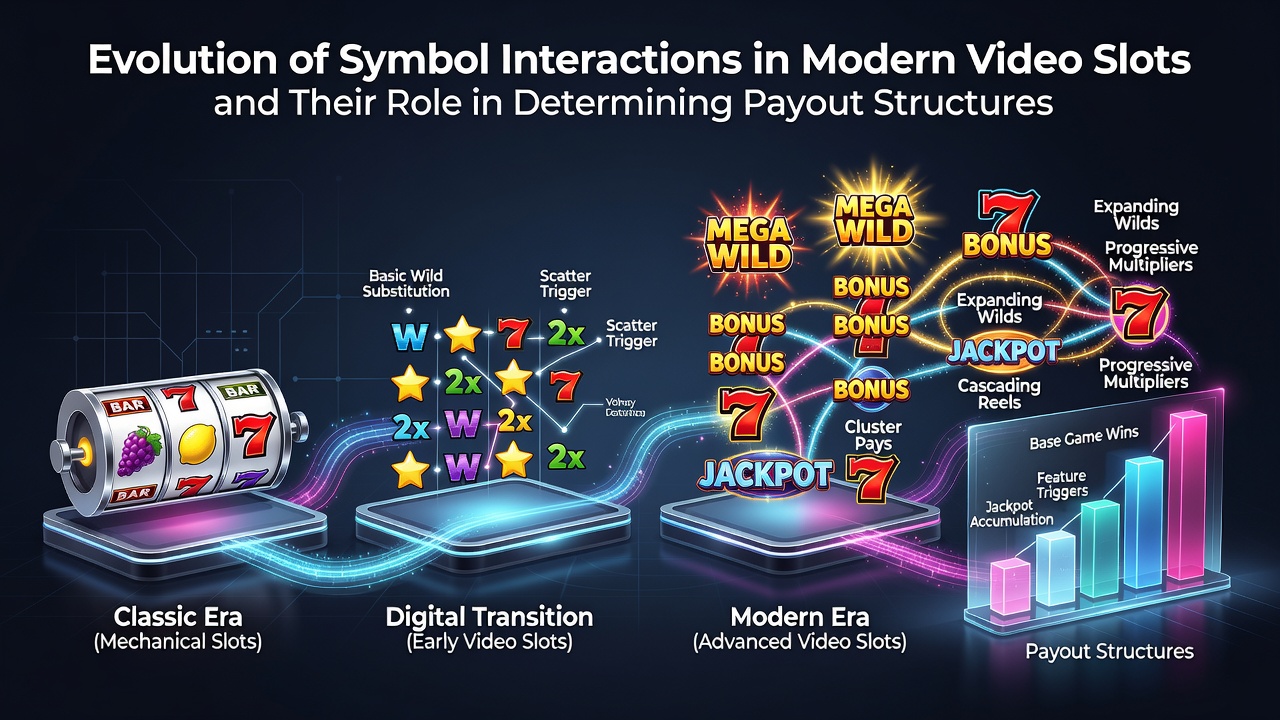
Scatter symbols that trigger bonus rounds operate independently of paylines, and their placement rules have grown more intricate over time. Analysts reviewing technical standards from the Malta Gaming Authority have observed that scatters now often carry their own multiplier values or unlock progressive jackpot tiers, adding secondary payout pathways that run parallel to the main reel mechanics. These dual systems require precise calibration to ensure overall game fairness under evolving regulatory frameworks.
Regulatory Shifts and Symbol Certification Standards
Changes scheduled for July 2026 in several regions will enforce stricter testing protocols for land-based and online machines, focusing on how symbol interaction algorithms perform under sustained play. Reports from the Nevada Gaming Control Board indicate that certification now includes extended simulation runs that verify payout consistency when multiple interaction layers activate simultaneously. This approach ensures that complex symbol behaviors do not inadvertently skew return percentages outside approved ranges.
Industry groups such as the International Association of Gaming Regulators have compiled comparative data showing that games with advanced symbol interactions undergo additional review cycles compared with traditional titles. These reviews examine edge cases where cascading symbols or random multipliers create unexpected win sequences, and the findings feed directly into updated technical standards applied by testing laboratories worldwide.
Conclusion
Symbol interactions have become the primary mechanism through which modern video slots establish and adjust their payout structures, moving from simple substitution rules to multi-layered systems involving clusters, multipliers, and dynamic reel modifications. Evidence from certification processes and probability modeling confirms that each new interaction type requires corresponding adjustments in symbol distribution and testing procedures. As regulatory requirements continue to evolve, particularly around mid-2026 implementation dates in multiple markets, the relationship between symbol behavior and payout outcomes will remain central to game design and compliance verification across the sector.